Natural Beverages and Why They Are Better Than Artificial Drinks
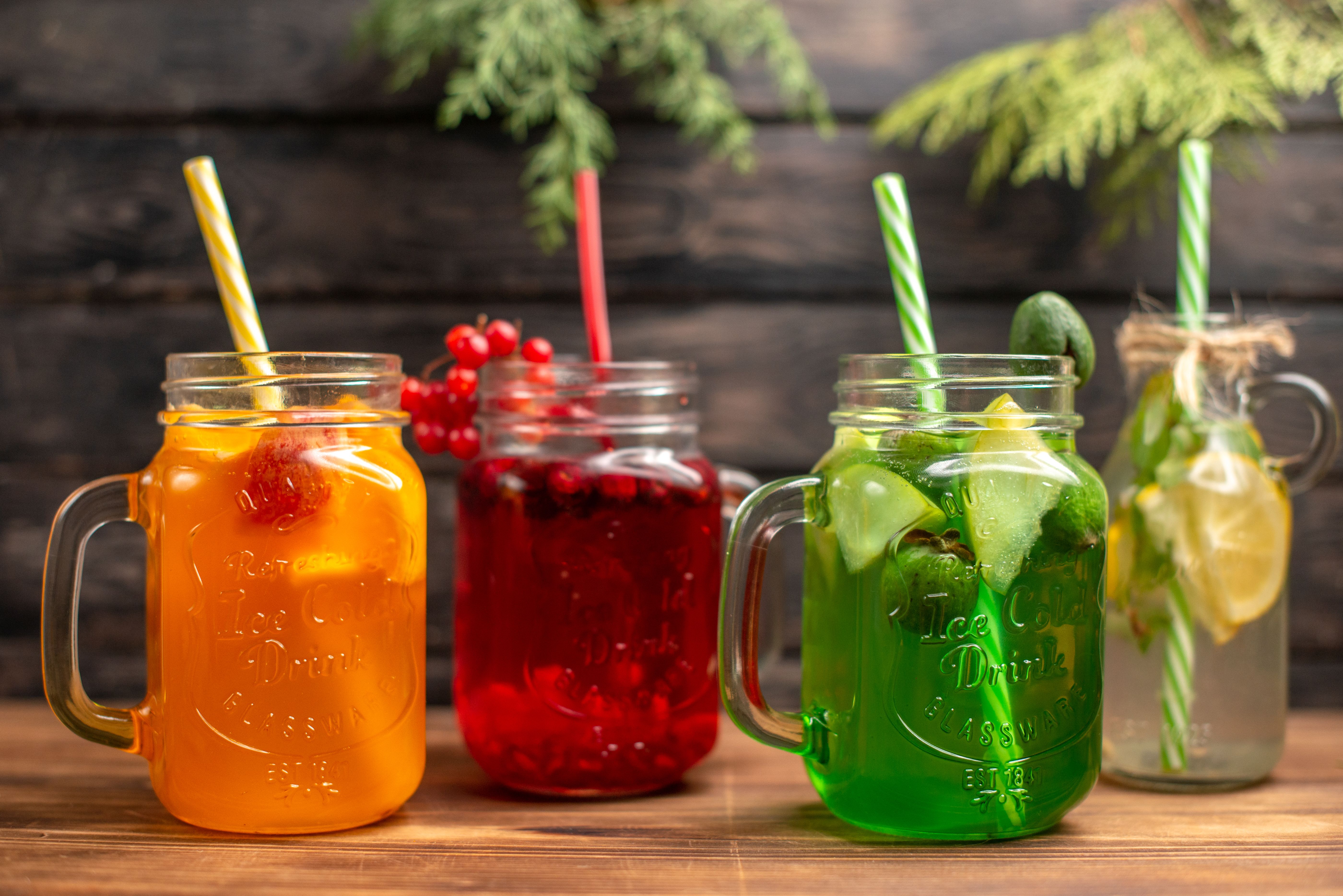
In a world filled with neon-colored sodas and chemically enhanced "fruit" juices, the shift toward natural beverages is more than just a passing trend. It is a return to biological basics. As we navigate 2026, the global consensus among health experts is clear: what you drink is just as important as what you eat. From fermented classics like kefir milk to the refreshing fizz of a kombucha drink, natural options are redefining our daily hydration habits.
In this guide, we will explore the science of hydration, the hidden dangers of synthetic additives, and why making the switch to nature-derived drinks is the best move for your long-term vitality.
How do natural drinks support better hydration
Most people think hydration is simply about drinking water. While water is essential, true cellular hydration requires electrolytes, minerals like magnesium, potassium, and sodium that carry an electrical charge.
The electrolyte advantage
Artificial sports drinks often use synthetic versions of these minerals, accompanied by heavy doses of refined sugar. Natural beverages, such as coconut water or diluted fruit infusions, provide these electrolytes in their most bioavailable form.
- Mineral Balance Natural drinks contain a complex profile of minerals that help the body regulate fluid balance more effectively than plain tap water or processed drinks.
- Sustained Energy Unlike the "spike and crash" of sugary sodas, the natural sugars found in fruit-based drinks are processed more slowly, keeping you hydrated and energized for longer periods.
What health risks are linked to artificial drinks
The rise of lifestyle-related health issues has been closely tied to the consumption of ultra-processed, artificial beverages. These drinks are often "chemically engineered" to be hyper-palatable, but they come at a high physiological cost.
The hidden impact of synthetic additives
Artificial drinks are usually loaded with high-fructose corn syrup, artificial sweeteners (like aspartame or sucralose), and synthetic dyes.
- Metabolic Disruption Regular consumption of artificial sweeteners has been linked to changes in gut bacteria and increased insulin resistance, which can lead to metabolic issues over time.
- Systemic Inflammation Synthetic food dyes and preservatives can trigger inflammatory responses in the body, leading to skin issues, digestive discomfort, and brain fog.
- Dental Erosion The high acidity levels in most sodas and "diet" drinks wear down tooth enamel significantly faster than natural, pH-balanced beverages.
How do natural beverages support digestion
One of the most significant advantages of choosing natural beverages is their ability to act as functional medicine for the gut. This is particularly true for fermented options that have gained massive popularity in 2026.
Probiotics and enzymes
Drinks like kefir milk and a kombucha drink are living beverages. They are packed with beneficial bacteria and yeast that populate your gut microbiome.
- Kefir milk This fermented dairy (or non-dairy) drink is a powerhouse of probiotics that helps break down lactose and improves the absorption of nutrients in the small intestine.
- Kombucha drink Known for its effervescent taste, kombucha contains organic acids and enzymes that aid in the breakdown of food, reducing bloating and supporting a healthy metabolism.
- Ginger and Mint Infusions These natural herbal drinks have been used for centuries to soothe the digestive tract and reduce nausea without the need for over-the-counter chemicals.
Why are natural drinks better for daily consumption
Consistency is the key to health. When choosing a beverage for daily use, the "cleanliness" of the ingredients determines whether you are nourishing your body or taxing it.
Natural energy drinks vs synthetic stimulants
In the past, energy drinks were synonymous with heart palpitations and jittery nerves. Today, natural energy drinks have changed the game. By using ingredients like green tea (matcha), guarana, or yerba mate, these drinks provide:
- L-Theanine synergy This amino acid, found naturally in tea, prevents the "jittery" feeling associated with synthetic caffeine, providing a calm, focused energy.
- Antioxidant support Natural drinks are rich in polyphenols that protect your cells from oxidative stress, whereas artificial drinks offer "empty" calories with no protective benefits.
Building long term resilience
Choosing natural options daily reduces the "toxic load" on your liver. Since your body recognizes the molecular structure of plant-based ingredients, it can process them efficiently as fuel rather than treating them as foreign invaders that need to be filtered out.
Navigating the world of functional beverages
The market for functional drinks is expanding rapidly. If you are looking to replace your current soda or diet drink, here are the top categories to explore:
Fermented powerhouses
If you want to support your immune system and gut health simultaneously, kefir milk is the gold standard. It contains up to 30 different strains of good bacteria, making it far more potent than standard yogurt drinks.
Refreshing tonics
For those who miss the "fizz" of soda, a kombucha drink provides a naturally carbonated alternative that is low in sugar and high in Vitamin B.
Clean energy
Look for natural energy drinks that list "no added sugar" and utilize plant-derived caffeine sources. These are perfect for mid-afternoon slumps or pre-workout hydration without the chemical aftertaste.
Frequently Asked Questions
Q1. Are natural drinks always low in sugar
A. Not necessarily. Fruit juices contain natural sugars (fructose). While better than refined sugar, it is still important to consume them in moderation. Fermented drinks like kombucha use sugar during the fermentation process, but most of it is "eaten" by the healthy bacteria before it reaches your glass.
Q2. Can I drink kefir milk if I am lactose intolerant
A. Many people with lactose intolerance find they can digest kefir milk easily. The fermentation process breaks down much of the lactose, and the probiotics in the drink actually help your gut process dairy more effectively.
Q3. Do natural energy drinks actually work
A. Yes. Ingredients like green tea extract and ginseng provide a more sustainable energy lift. Because they contain co-factors and antioxidants, the energy lasts longer and doesn't end in a sudden "crash."
Q4. How many probiotic drinks should I have a day
A. For most people, one serving of a kombucha drink or kefir milk per day is a great starting point. Since they are "live" drinks, it is best to introduce them slowly to allow your gut microbiome to adjust.
Q5. Why do artificial drinks taste so sweet
A. Artificial drinks use high-intensity sweeteners that can be 200 to 600 times sweeter than table sugar. This over-stimulates your taste buds, often making natural fruits and vegetables taste "bland" by comparison. Switching to natural drinks helps recalibrate your palate.