Staying Hydrated! Best Natural Electrolyte Options for Thailand’s Hot Season
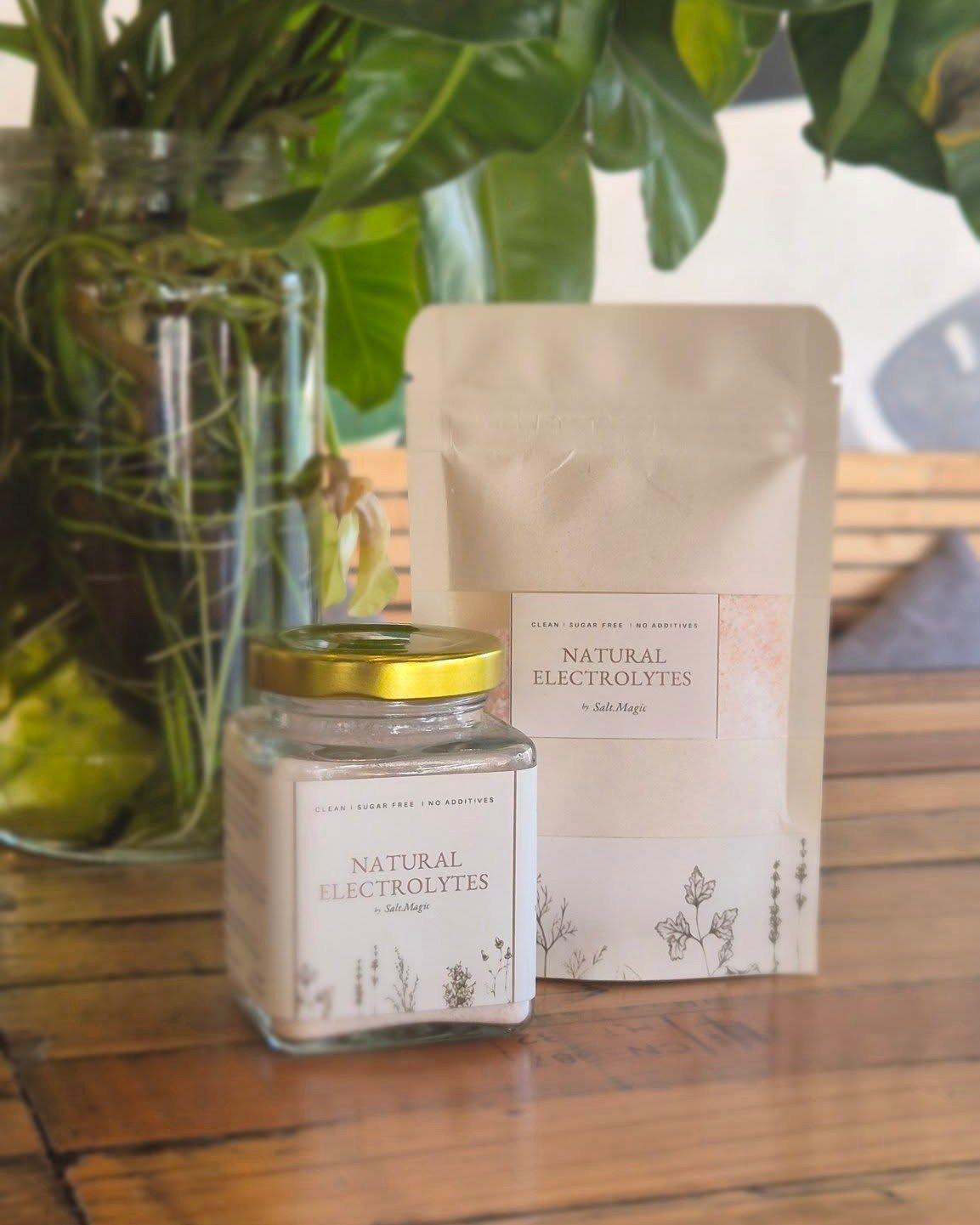
Thailand’s hot season is no joke! With temperatures often soaring above 38°C (100°F) and humidity levels that make the "real feel" even higher, your body isn’t just losing water, it is losing vital minerals. While many reach for neon-colored sports drinks, the best way to stay balanced is often found in nature.
This guide explores the best natural electrolyte options to keep you energized, clear-headed, and hydrated while navigating the Land of Smiles.
Why Is Hydration More Important During Thailand’s Hot Season?
In a tropical climate, your body relies on evaporative cooling (sweating) to maintain a safe internal temperature. In Thailand, two factors make this process more taxing:
- High Humidity: When the air is saturated with moisture, sweat doesn't evaporate quickly. Your body responds by sweating more to compensate, leading to rapid fluid and mineral loss.
Heat Exhaustion Risk: Without proper electrolytes, water alone cannot always hydrate your cells. This can lead to hyponatremia (diluted sodium levels), resulting in dizziness, muscle cramps, and fatigue.
Maintaining a balance of Sodium, Potassium, Magnesium, and Calcium is essential for nerve signaling and muscle function during these peak heat months.
What Are the Best Natural Electrolyte Drinks?
Thailand is a goldmine for natural hydration. You don't need a pharmacy when you have access to these local powerhouses:
1. Fresh Coconut Water (Nam Maprao)
Often called "Nature’s Gatorade," coconut water is perhaps the most effective natural electrolyte drink on earth.
- Potassium Punch: It contains more potassium than a banana, which helps regulate heartbeat and muscle function.
- Bioavailability: The electrolytes in coconut water are easily absorbed by the human body.
- Low Sugar: It provides a light energy boost without the insulin spike of processed sodas.
2. Fresh Lime Water with Sea Salt
A staple in Thai restaurants, a simple lime juice (no sugar) with a pinch of high-quality sea salt is a hydration hero.
- Vitamin C: Provides an antioxidant boost to combat heat-induced oxidative stress.
- Sodium Balance: The salt helps your body retain the water you drink rather than passing it immediately.
3. Watermelon Juice
Watermelon is 92% water and contains L-citrulline, an amino acid that helps reduce muscle soreness, perfect if you’ve been walking around Bangkok or hiking in Chiang Mai.
- Lycopene: Protects your skin from the inside out against UV damage.
4. Chrysanthemum and Roselle Herbal Infusion
- Chrysanthemum Tea: Known in Traditional Chinese Medicine as a "cooling" herb, it helps lower internal body temperature.
- Roselle: High in Vitamin C and minerals, this tart red drink acts as a natural diuretic that keeps the system moving while replenishing lost nutrients.
Why Are Natural Electrolytes Better Than Sports Drinks?
While commercial sports drinks are convenient, they often come with "baggage" that can hinder your health goals:
Choosing a blend of fruit-based proteins and natural sugars provides sustained energy. Many local Thai blends now incorporate Protein Drinks & Blends using plant-based sources like soy or mung bean, which help repair tissues stressed by the heat.
When Should You Consume Electrolyte Drinks?
Timing is everything when it comes to preventing heat exhaustion.
- Pre-Exposure: Drink a glass of coconut water or salted lime water before heading out into the midday sun.
- During Activity: If you are trekking or exercising, sip small amounts every 15–20 minutes rather than gulping a liter at once.
- The "Post-Sun" Recovery: After coming indoors, focus on a blend of electrolytes and Vitamin C to help your body recover from the inflammatory effects of heat.
- Evening Rebalance: Magnesium-rich drinks (like a hibiscus or roselle blend) can help relax muscles and improve sleep quality, which is often disrupted by high nighttime temperatures.
DIY Natural Electrolyte Recipe
If you want to make your own "Thailand Heat Survival" drink at home, try this simple blend:
- 500ml Filtered Water
- 1/2 Fresh Thai Lime (squeezed)
- 1/8 tsp Sea Salt (Himalayan or Grey salt is best)
- 1 tsp Raw Honey (optional for energy)
Staying hydrated in Thailand requires more than just carrying a water bottle. By integrating coconut water, lime, and mineral-rich herbal teas, you can enjoy the tropical sun without the brain fog or fatigue. Keep your Vitamin C high, your salts balanced, and always listen to your body’s signals!
Frequently Asked Questions
Can I drink too much coconut water?
While healthy, coconut water is high in potassium. Drinking 3–4 coconuts a day is usually fine for healthy individuals, but those with kidney issues should consult a doctor due to the high mineral load.
Is plain water enough for the Thai heat?
For short periods in the shade, yes. However, if you are sweating heavily for more than an hour, plain water can flush out your existing minerals, leading to "water intoxication" or cramping. You need those salts!
Does spicy food help with hydration?
Interestingly, yes. The capsaicin in Thai chilies triggers sweating, which is the body's natural cooling mechanism. Just ensure you are replacing the fluids you lose through that extra perspiration.
Where can I find these natural drinks in Thailand?
Coconut water is available at almost every street corner and 7-Eleven. For herbal teas like Roselle or Chrysanthemum, look for street vendors with large glass dispensers or local markets.