The Art of Kefir: A Complete Guide to Fermentation and Sourcing in Thailand
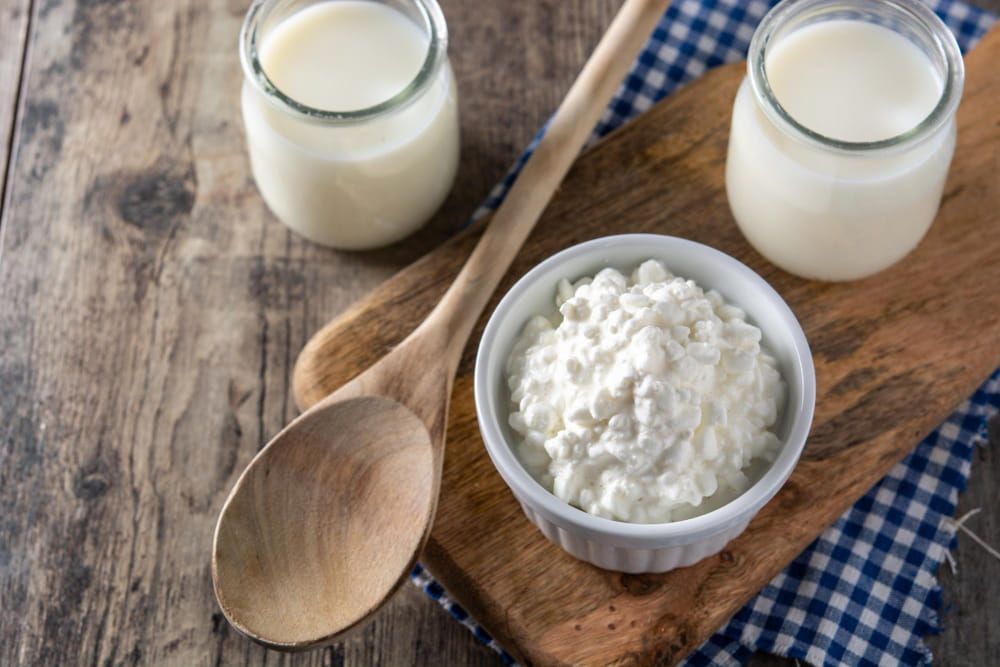
Kefir is often referred to as the "champagne of dairy," a sparkling, tangy, and profoundly healthy fermented milk beverage that has been cherished for centuries. Originating from the North Caucasus mountains, this drink has traveled the globe, earning a reputation as one of the most potent probiotic foods available. In recent years, it has gained significant popularity in Thailand as people increasingly prioritize gut health and functional nutrition.
The Traditional Fermentation Process Explained
Unlike industrial yogurt which is often heated and processed, traditional kefir is a "living" food. The secret lies in the kefir grain.
What are Kefir Grains?
Kefir grains are not grains like wheat or rice. They are symbiotic colonies of bacteria and yeasts (SCOBY) held together by a unique matrix of proteins, lipids, and a specific sugar called kefiran. They look like small, translucent cauliflower florets.
The Step-by-Step Fermentation Cycle
- Inoculation: To start, you place one tablespoon of active kefir grains into approximately 500ml of room-temperature fresh milk (cow, goat, or buffalo).
- The Fermentation Window: The jar is covered with a breathable cloth and left at room temperature (ideally between 20-25°C). In the heat of Thailand, this process can happen faster, often within 12 to 18 hours.
- Metabolic Transformation: During this time, the microorganisms in the grains feast on the lactose (milk sugar). They convert it into lactic acid, carbon dioxide, and small amounts of B-vitamins and enzymes.
- Separation and Straining: Once the milk thickens, you strain the liquid through a plastic sieve. The liquid is your finished kefir, and the grains are caught in the sieve, ready to be "fed" fresh milk to start the cycle all over again.
Nutritional Differences: Kefir vs. Regular Milk
Many wonder why they should bother with fermentation when regular milk is already a nutrient powerhouse. The answer lies in bioavailability and microbial diversity.
- Digestibility: For those with mild lactose intolerance, kefir is a miracle. The fermentation process breaks down the complex lactose molecules into simpler lactic acid, making it much easier to digest.
- Probiotic Power: While commercial yogurts usually contain 2 to 5 strains of beneficial bacteria, kefir can harbor upwards of 30 to 60 diverse strains of healthy bacteria and yeasts.
- Nutrient Enrichment: Studies suggest that fermentation increases the levels of Vitamin K2, essential for bone health, and synthesizes B-vitamins that are not as abundant in standard pasteurized milk.
Finding Authentic Kefir in Bangkok
In Thailand, the "kefir" found in supermarkets is often a thin, sugary, yogurt-like drink. True, artisan-grade kefir is different.
- Local Organic Producers: Bangkok has a growing community of health-conscious artisans.
- The "Grain" Exchange: Many Thais in the health community prefer to make their own. You can find "live grains". When buying grains, ensure the seller provides a clear history of how they have been maintained.
- Health Stores: Occasionally stock high-quality fermented dairy products that are closer to traditional kefir than mass-market brands.
FAQ
Q: My kefir is too sour. What did I do wrong?
A: Sourness is a result of over-fermentation. Try reducing the fermentation time or moving the jar to a slightly cooler spot.
Q: Can I use UHT milk to make kefir?
A: It is possible, but raw or low-pasteurized milk provides a more robust nutrient profile and helps the grains grow faster.
Q: Is it dangerous if the kefir separates?
A: Not at all! This is called "whey separation." The yellow liquid is the whey, rich in protein. You can stir it back in or drink it for an extra nutrient boost.