The Ultimate Guide to Kombucha: Why This Probiotic Elixir is Conquering Thailand’s Health Market
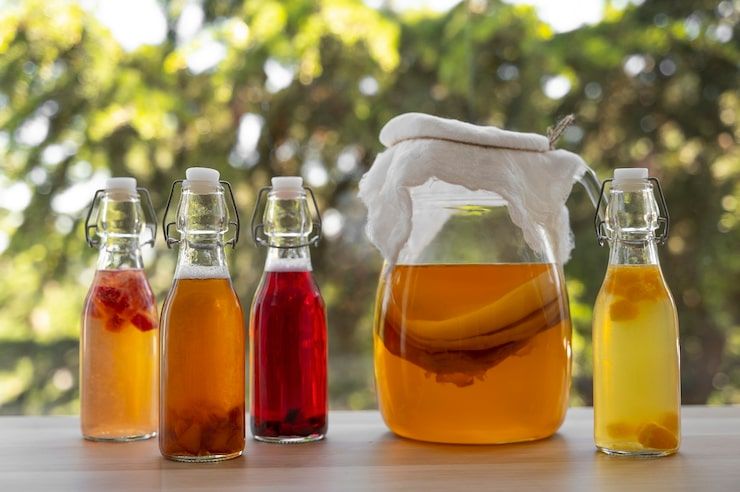
The beverage landscape in Thailand has undergone a radical transformation over the past few years. Walking into a high-end supermarket in Sukhumvit or a local health shop in Chiang Mai, you are bound to see shelves lined with colorful bottles of fermented tea.
Kombucha, an ancient tonic once limited to home-brewers and traditional medicine, has become the crown jewel of the modern health and wellness movement in the Land of Smiles. As we navigate through 2026, kombucha is no longer just a trend—it is a functional staple. But what exactly is driving this "booch" revolution, and why has Thailand become such a fertile ground for this natural beverage?
Why is Kombucha Popular in Thailand’s Health Market?
The meteoric rise of kombucha in Thailand is the result of a cultural shift towards mindful consumption, paired with several unique local factors.
The "New Age" Functional Drink
For decades, the Thai market was dominated by sugary sodas and artificial energy drinks. However, as the urban middle class becomes more educated about metabolic health, there is a massive shift toward natural energy drinks. Kombucha offers the perfect middle ground: it provides the effervescence of a soda but carries the nutritional weight of a supplement.
The Gut-Health Connection
In 2026, "gut health" has become a buzzword in Thai fitness communities. People are now aware that the microbiome influences everything from skin clarity to mental health. Kombucha, being rich in live probiotics, fits perfectly into this narrative. It is seen as an easy, tasty way to maintain digestive balance without having to take pills or supplements.
Cultural Familiarity with Fermentation
Thailand has a deep-rooted history of fermentation. From Pla Ra (fermented fish) to Nham (fermented pork), the Thai palate is already accustomed to the complex, tangy, and acidic notes that fermentation produces. This cultural baseline made it much easier for the Thai public to embrace the "vinegary" kick of kombucha compared to Western markets where fermentation was once viewed with skepticism.
What Health Benefits Does Kombucha Offer?
Kombucha is often referred to as a Superfood in liquid form. Its benefits are derived from the symbiotic culture of bacteria and yeast (SCOBY) that transforms simple tea and sugar into a complex cocktail of organic acids and vitamins.
1. Probiotic Power and Digestive Harmony
Unlike kefir milk, which provides dairy-based probiotics, kombucha offers a plant-based alternative. During fermentation, billions of beneficial bacteria are produced. These microbes help populate the gut, aiding in the breakdown of food and ensuring that nutrients are absorbed efficiently. For those dealing with bloating or irregular digestion—common issues in a spice-heavy Thai diet—kombucha is a natural remedy.
2. Antioxidant and Detoxification Support
Because kombucha is typically made from green or black tea, it is exceptionally high in polyphenols. These antioxidants neutralize free radicals that cause cellular damage. Furthermore, the fermentation process produces glucuronic acid, a substance known to assist the liver in detoxifying the body. In urban environments like Bangkok, where PM2.5 and pollution are constant concerns, these detoxifying properties are highly valued.
3. Natural Energy Without the Crash
Many people use kombucha as a replacement for coffee or synthetic energy drinks. While it contains a small amount of caffeine from the tea base, the presence of B-vitamins (especially B12) provides a more stable, long-lasting energy boost without the jitters or the subsequent sugar crash.
What Flavors of Kombucha Are Popular in Thailand?
The Thai market is unique because it fuses traditional kombucha brewing with local botanical expertise. This has led to the creation of flavors that you won't find anywhere else in the world.
Tropical Fruit Infusions
Thailand’s abundance of fruit makes for incredible secondary fermentations. Lychee, Passion Fruit, and Mango are staples. These fruits add a natural sweetness that balances the acidity of the fermented tea, making it accessible even to those who are new to the drink.
The Herbal and Floral Revolution
Thai brewers are increasingly using local herbs known for their medicinal properties:
- Butterfly Pea: Known for its vibrant blue color and hair-growth benefits.
- Lemongrass and Ginger: Excellent for digestion and providing a refreshing, spicy kick.
- Roselle (Hibiscus): High in Vitamin C and gives the drink a tart, cranberry-like finish.
How to Choose the Best Kombucha in Thailand
With so many brands appearing on the market, it is important to know what makes a high-quality bottle:
- Check for "Raw" or "Live" Cultures: Real kombucha should not be pasteurized. Heat kills the beneficial bacteria that provide the health benefits.
- Sugar Content: While sugar is necessary for fermentation, a good kombucha should have very little residual sugar left in the final product.
- Glass Packaging: Always choose glass over plastic. The acidic nature of kombucha can cause chemicals from plastic bottles to leach into the drink.
Frequently Asked Questions
Is kombucha safe to drink every day?
For most people, yes. Starting with 150-200ml per day is recommended to allow your gut to adjust to the new probiotics.
Does it have alcohol?
Standard kombucha has trace amounts (0.5% or less), which is similar to a very ripe banana. It is generally classified as non-alcoholic.
Kombucha vs. Kefir: Which is better?
Neither is "better." Kefir milk typically has a higher count of probiotic strains, while kombucha offers tea-based antioxidants and is vegan-friendly.
Can I drink it if I have a sensitive stomach?
Because it is acidic, some people with acid reflux might find it stimulating. It is best to drink it with food if you have a sensitive stomach.