5 Ways CBD Skin Care Supports Natural Beauty Routines
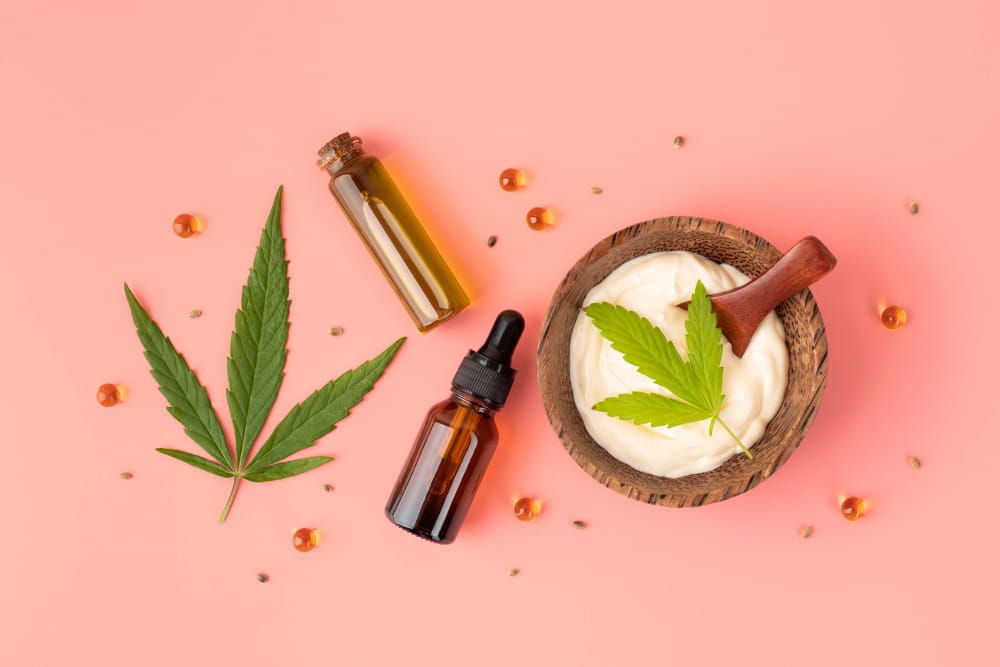
CBD skin care refers to skincare products – serums, gels, creams, and oils – infused with cannabidiol, a non-intoxicating compound from the cannabis plant that interacts with receptors in your skin rather than getting you high or entering your bloodstream in any meaningful amount. It's found a real place in dermatology research over the past decade, with evidence pointing to genuine anti-inflammatory and skin-balancing effects, not just wellness marketing.
That distinction matters. CBD applied to skin behaves very differently from CBD you swallow – it works locally, on the skin itself, through a receptor system your skin already has.
Here's how that interaction actually works, five specific ways it shows up in a beauty routine, what's available in Thailand, and how to use it without wasting money on the wrong product.
How does CBD interact with skin through topical application?
CBD interacts with skin through a network of receptors called the cutaneous endocannabinoid system, which your skin uses to regulate inflammation, oil production, and barrier repair – independent of the endocannabinoid system elsewhere in your body.
What is the skin's endocannabinoid system?
Your skin has its own receptor network – CB1, CB2, and a related family called TRPV channels – spread through keratinocytes (skin cells), sebocytes (oil-producing cells), and immune cells in the dermis. A comprehensive 2025 review in Cosmetics describes CBD acting on this network to produce measurable anti-inflammatory, antioxidant, antibacterial, and moisturising effects, largely through CB2 and TRPV4 activation.
Does CBD applied to skin reach your bloodstream?
Only in small, localised amounts, and that's actually the point. Unlike an oil taken under the tongue or a gummy that's swallowed, a topical product applied to skin acts mostly where it's applied – on the surface layers and the receptors sitting there – rather than circulating through your whole system. That's why topical CBD shows up for targeted skin concerns rather than systemic effects like sleep or anxiety.
What does the research actually show about CBD and skin?
The clearest, most-replicated finding concerns acne. A landmark study in the Journal of Clinical Investigation found that CBD acts as a "highly effective sebostatic agent," meaning it calms down excess oil production in human sebocytes without killing the cells outright, through activation of the TRPV4 receptor. A 2023 review in International Journal of Molecular Sciences adds that CBD reduces inflammatory markers in the same cells.
It's worth being honest about what stage this evidence is at. Most of it comes from cell cultures and skin organ samples in a lab, not large human clinical trials. A 2025 review in the Journal of Cosmetic Dermatology is candid about this: promising mechanisms across acne, psoriasis, and eczema, but the field is still nascent.
Takeaway: CBD applied to skin engages receptors your skin already has, working locally rather than systemically. The mechanism research is genuinely strong; the human clinical evidence is catching up.
5 ways CBD skin care supports a natural beauty routine
Here's where that receptor interaction translates into things you'd actually notice in a routine.
1. Calming visible redness and irritation
CBD's anti-inflammatory action on skin cells is its best-supported effect, and it's the reason CBD shows up so often in products aimed at reactive or easily irritated skin. The 2025 Cosmetics review notes this anti-inflammatory activity extends to conditions like allergic contact dermatitis and seborrheic dermatitis in preclinical models.
2. Balancing oil production in acne-prone skin
This is the standout finding. CBD's sebostatic effect – reducing excess sebum without disrupting normal skin function – is backed by more research than any other topical CBD benefit, including the original 2014 sebocyte study and multiple reviews since. If breakouts and shine are your main frustration, this is the category where CBD has earned its place.
3. Supporting the skin barrier and moisture levels
Reviewed alongside its anti-inflammatory action, CBD is consistently described in the dermatology literature as moisturising – helping the skin retain water and maintain its outer barrier, which is why it turns up in gels and serums rather than only in treatment-style products.
4. Providing antioxidant protection against everyday stressors
Lab research shows CBD reduces reactive oxygen species – the molecular damage behind premature ageing – in UV-exposed skin cells. In Thailand's sun and pollution, an antioxidant ingredient earns its place in a daily routine regardless of the CBD angle specifically.
5. Soothing sensitive or stress-reactive skin
Because the cutaneous ECS also regulates itch and immune reactivity, CBD-containing products are frequently formulated for sensitive or reactive skin types – the kind that flares with heat, stress, or product changes rather than a specific diagnosed condition.
Takeaway: Sebum control and calming inflammation are where the evidence is strongest. Barrier support and antioxidant protection are real but shared with plenty of non-CBD ingredients – CBD is one good option among several, not a category of one.
What CBD skincare products are available in Thailand?
CBD skincare in Thailand spans facial serums, moisturising gels, body oils, and creams – a genuinely different product range from the CBD oils and gummies most people think of first.
A few worth knowing, all currently stocked at HappyLyfe:
CBD facial serum – SALUS's moisturising and smoothing facial serum (249฿, 15 ml) is the most face-specific product in the category, aimed at daily use rather than a targeted treatment.
- CBD moisturising gel – PANNANA's lightweight gel (190฿, 10 g) suits humid-climate skin that doesn't want a heavy cream.
- CBD body oil – PANNANA's moisturising body oil spray (290฿, 15 ml) and scented botanical body oils in the 900–990฿ range cover fuller-body application.
- Cannopi's CBD Balance Aroma Massage & Body Oil (890฿) is formulated to nourish skin while easing tension – a dual-purpose pick if you want a body oil that does both skincare and unwinding in one step.
- CBD body cream – Auracl's Active and Therma Body Cream (790฿ each) sit at the richer end, closer to a treatment cream than a daily lotion.
CBD balm – Cannopi's Vital Body Balm (540฿) and Mellow Organic's Soothing CBD Balm (850฿) work well for smaller areas needing more concentrated, occlusive coverage.
How do you incorporate CBD into a daily skincare routine?
Add CBD skin care the same way you'd introduce any new active – gradually, with a patch test, and layered in the right order relative to what you're already using.
- Patch test first. Apply a small amount to your inner forearm and wait 24 hours before using it on your face, especially if you have reactive or sensitive skin.
- Cleanse, then apply. CBD serums and gels generally go on clean skin, before heavier creams or oils, so the active ingredients can absorb rather than sit on top of another product.
- Give it time. Skin benefits from consistent CBD ingredients typically build over weeks, not days – this isn't a same-day fix the way a topical pain balm can feel.
- Layer sunscreen on top, not instead. CBD's antioxidant properties support skin health, but they don't replace SPF. Apply sunscreen as the final step of your morning routine regardless.
- Avoid broken or actively irritated skin. Products formulated for healthy skin can sting or worsen irritation on compromised skin – save those areas for a plain, fragrance-free product instead.
How much CBD should be in a skincare product to matter?
There's no established minimum, and most skincare brands don't disclose milligrams the way an oral CBD product does.
Takeaway: Treat CBD skincare like any other active ingredient – patch test, be patient, and don't expect it to replace sunscreen or a dermatologist's advice for a diagnosed skin condition.
Is CBD skin care legal in Thailand?
Yes, under the same framework as other CBD products. Extracts containing no more than 0.2% THC, made from Thailand-grown cannabis under a Thai FDA licence, can be sold and bought in Thailand without a prescription – cosmetics included. Importing CBD skincare from overseas isn't legal, regardless of how the product is marketed online, so a genuinely compliant option needs to be made in Thailand.
How does HappyLyfe verify CBD skincare brands?
Every CBD product listed on HappyLyfe, skincare included, is checked against our six sensitivities – Organic, Cruelty-free, Free-range, Artisanal, Fair-trade, and Recycled – before it goes live. For skincare specifically, that means confirming the product is made from licensed, Thai-grown material, that ingredient lists are accurate, and that any active-ingredient claims on the label can actually be backed up.
Skincare is a category where marketing language runs ahead of what's provable, so someone checking the paperwork before a product reaches the shelf is the whole reason a curated marketplace exists.
Takeaway: Buy CBD skincare from a source that's confirmed the product is Thai-made and licensed – the legal requirement and the trust requirement are, conveniently, the same check.
Where can you buy CBD skin care in Thailand?
You can buy CBD skin care in Thailand through HappyLyfe's CBD topical range, which stocks serums, gels, creams, and body oils from brands checked against our six sensitivities. If you're new to the category, start with a lighter format – a serum or gel rather than a rich cream – so you can judge how your skin responds before committing to a full routine.
Takeaway: Start small, patch test, and buy from a source that can confirm what's actually in the bottle.
Frequently asked questions
What does CBD skin care actually do?
CBD skin care interacts with receptors in your skin's own endocannabinoid system to calm inflammation, help balance oil production, and support the skin barrier. It works locally rather than entering your bloodstream, which is why it's used for skin-specific concerns rather than whole-body effects.
Can CBD skin care help with acne?
The strongest evidence for topical CBD concerns acne specifically – lab studies show it reduces excess sebum production and inflammation in skin cells without harming them. Human clinical trials are still limited, so it's a promising option to try rather than a guaranteed fix.
Is CBD skin care legal in Thailand?
Yes, if it contains no more than 0.2% THC and is made in Thailand from licensed, Thai-grown material. Imported CBD skincare isn't legal here, regardless of how it's advertised online.
Will CBD skin care make me feel high?
No. CBD isn't intoxicating on its own, and legal Thai CBD skincare is capped at 0.2% THC – well below any level that produces psychoactive effects, and applied to skin rather than ingested besides.
How is CBD skin care different from a CBD pain balm?
Both are topical, but they're built for different jobs. A skincare serum or cream is formulated for daily facial or body use and general skin health. A pain balm is usually formulated with a higher concentration and warming or cooling agents, aimed at sore muscles and joints rather than everyday skin maintenance.
Where can I buy CBD skin care in Thailand?
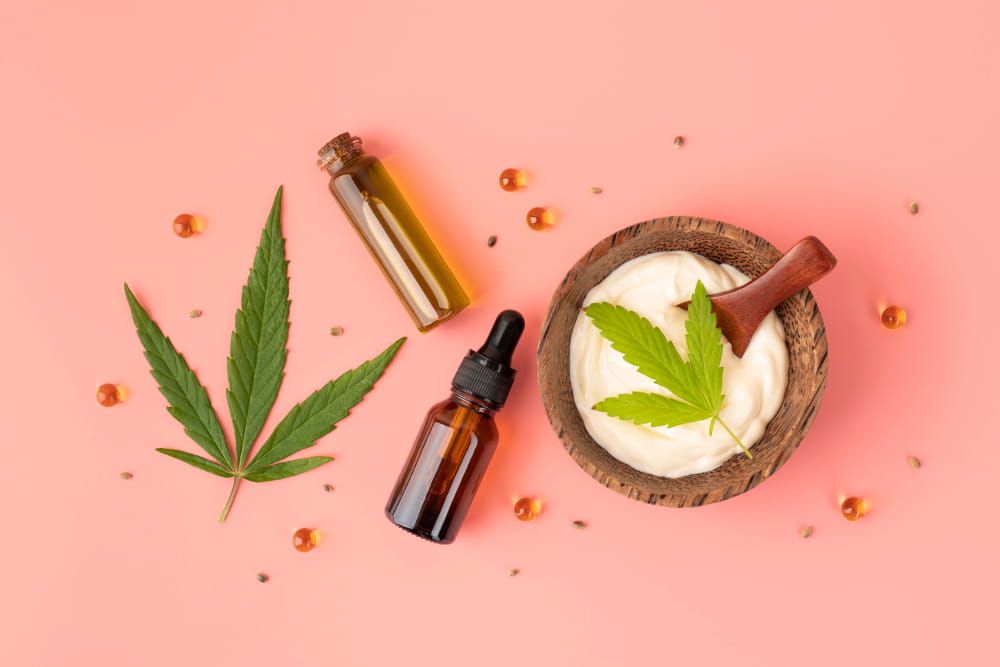
HappyLyfe stocks Thai-made CBD serums, gels, creams, and body oils at happylyfe.in.th/cbd/topical. Every brand is checked against our six sensitivities before listing, and products are made from licensed, Thai-grown material.
The bottom line on CBD skin care
CBD skin care works by engaging receptors your skin already has, producing genuine anti-inflammatory and sebum-balancing effects backed by real dermatology research.
CBD acts locally on skin through the cutaneous endocannabinoid system, not systemically through your bloodstream.
- The sebostatic, anti-acne effect is the best-supported benefit – the human trial evidence for other claims is still developing.
- Thailand's CBD skincare range spans serums, gels, creams, and oils, each suited to a different part of a routine.
- Patch test, introduce gradually, and keep using sunscreen – CBD supports skin health, it doesn't replace it.
Legal CBD skincare in Thailand is Thai-made and capped at 0.2% THC; imports aren't legal here.
Ready to add it to your routine? Browse HappyLyfe's CBD topical range – every product is Thai-made, checked against our six sensitivities, and suited to real skin, not just marketing copy.