5 Natural Electrolyte Sources for Active Lifestyles
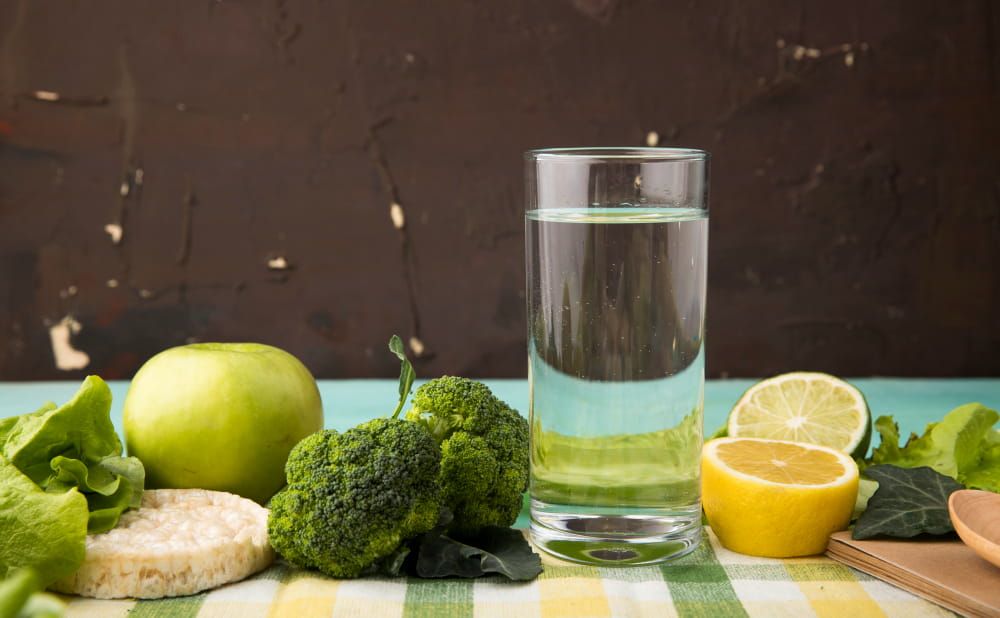
The five best natural electrolyte sources are coconut water, bananas and tropical fruit, leafy greens, nuts and seeds, and unrefined salt. Between them they cover the four minerals you lose in sweat — sodium, potassium, magnesium, and calcium — without the added sugar and colourings in most sports drinks.
If you take the train, walk, or simply live an active life in Thailand's heat, this matters more than it would in a temperate climate. Recreational runners in Bangkok and Nakhon Pathom lose between 0.9 and 1.3 litres of sweat an hour in typical conditions, according to a study of 166 Thai runners published in Nutrients.
Here's what each source actually delivers, what the evidence supports, and the honest answer to whether you need an electrolyte product at all.
What are electrolytes and why do you lose them?
Electrolytes are minerals that carry an electrical charge in your body fluids. Four of them matter for hydration: sodium, potassium, magnesium, and calcium. They control fluid balance, nerve signals, and muscle contraction.
Potassium "carries a small electrical charge that activates various cell and nerve functions" and holds fluid inside your cells, per the Harvard T.H. Chan School of Public Health. Sodium does the same job outside them.
You lose them mainly through sweat. Which is why the hotter and more humid your environment, the more this topic applies to you.
How much do you actually lose when you sweat?
Less than the supplement industry implies, but more than most people assume. Sweat is mostly water — sodium is the electrolyte lost in the greatest quantity, and everything else trails well behind.
The Nutrients study of Thai runners is the most relevant data available. Measured across six sessions at a mean 29.6°C and 70% humidity:
- Sweat rate: 1.3 L/h for men, 0.9 L/h for women
- Sweat sodium: predicted whole-body concentrations ranged from 11 to 80 mmol/L — a sevenfold spread between individuals
- Pre-run hydration: 28% of runners were already dehydrated before morning sessions, versus 15% in the evening
- Body mass loss: only 6% of runners lost more than 2% of body mass
That last figure is worth sitting with. Most recreational runners in Thailand's heat were not meaningfully dehydrated by their session. The researchers concluded standard fluid replacement guidelines apply here as they do anywhere.
Takeaway: Sodium is the mineral you lose most. Sweat losses vary hugely between people. And most everyday exercise doesn't leave a gap worth worrying about.
Is coconut water better than a sports drink?
Coconut water holds about ten times more potassium than a typical sports drink. Sodium levels are similar. That makes it a solid natural electrolyte swap for most everyday exercise.
Here's the composition comparison from a review in Sports:
| Per litre | Coconut water | Sports drink |
|---|---|---|
| Potassium | 1,420 mg | 132 mg |
| Sodium | 448 mg | 458 mg |
| Carbohydrate | 66 g | 55 g |
What does the research actually show?
The same review tested coconut water against a standard sports drink during endurance cycling. It found "a similar effect on physiological responses and time trial performance" — no real gap in heart rate, sweat loss, or finishing time.
Two caveats worth stating plainly. The trial involved just 19 cyclists, and participants lost only about 1.2% of body mass — below the threshold where dehydration starts hurting performance. It's a fair result, not a definitive one.
There's also a practical limitation. For very long, very hot efforts where sodium is the binding constraint, coconut water's sodium content is no higher than a sports drink's. Its potassium advantage doesn't fix a sodium problem.
Takeaway: For a typical hour of training in Thai heat, fresh coconut water does the job as well as a sports drink, with more potassium and no artificial colouring. For multi-hour endurance efforts, sodium becomes the limiting factor for both.
5 natural electrolyte sources worth building into your week
These five cover all four key minerals, and every one is easy to find in Thailand.
1. Coconut water — for potassium
Fresh young coconut water carries around 396 mg of potassium per cup, per the Dietary Guidelines for Americans. It's the easiest natural electrolyte source to find here — they sell it on almost every street.
Buy it fresh where you can. Many packaged versions are heat-treated and sweetened, which turns a hydration drink into a soft drink.
2. Bananas and tropical fruit — for fast potassium
One medium banana provides 451 mg of potassium. Thai bananas — kluai nam wa, kluai hom — do the same job as any other, and they're cheap year-round.
Watermelon, papaya, and mango all contribute fluid alongside potassium, which is a useful combination when you have no appetite in the heat.
3. Leafy greens — for magnesium and calcium
A cup of cooked spinach carries 839 mg of potassium and around 131 mg of magnesium. Thai greens like pak boong (morning glory), pak kana (Chinese kale), and cha-om work similarly and cost a fraction of imported salad leaves.
Greens are the source most people skip, and magnesium is the mineral most people under-consume.
4. Nuts and seeds — for concentrated magnesium
Pumpkin seed kernels are the densest common source, at roughly 649 mg of magnesium per cup roasted, according to USDA data. Almonds provide 385 mg per cup, peanuts 260 mg, and black beans 332 mg.
A small handful daily is a realistic habit. A cup is not — those figures are per cup, and nobody eats a cup of pumpkin seeds.
5. Unrefined salt — for sodium and chloride
Salt is the natural electrolyte source people actively avoid, and in a hot climate that's often backwards. If you sweat 1.3 litres an hour outdoors, you're losing sodium that has to be replaced somewhere.
One honest caveat: unrefined sea salt and pink salt are not meaningfully more mineral-rich than table salt. The trace mineral quantities are too small to matter nutritionally. Choose unrefined salt if you prefer minimal processing and no anti-caking agents — but if the sodium is the point, then that's the same either way.
Takeaway: Coconut water and fruit cover potassium, greens and seeds cover magnesium, and salt covers sodium. Whole foods handle the needs of most active people without a single supplement.
How should you hydrate in Thailand's tropical climate?
Drink to thirst, salt your food, and pay more attention to what you drink before exercise than during it. That last point comes straight from the Thai runner data — 28% were already dehydrated before their morning run.
Practical adjustments for the climate:
- Front-load in the morning. Drink 400–500 ml on waking, especially before a morning session. You dehydrate overnight in air-conditioning.
- Salt your meals. Thai food does this naturally — nam pla, soups, and som tam all carry sodium.
- Weigh yourself before and after a long session. Every kilogram lost is roughly a litre of fluid. This tells you your own sweat rate, which no generic guideline can.
- Watch the pre-dawn and evening sessions differently. Morning training starts with a hydration deficit; evening training usually doesn't.
- Add sodium for sessions over 90 minutes in full sun. Below that, food and water generally cover it.
Do you need an electrolyte supplement?
Most people, most days, do not. If you exercise for under an hour and eat normal meals, water plus food covers your losses.
A natural electrolyte product earns its place in four cases: sessions over 90 minutes, outdoor work in heat, heavy sweating, or illness with fluid loss.
If you do buy one, read the label. Many are largely sugar with a mineral dusting and synthetic colouring.
Can you drink too much water?
Yes, and it's more dangerous than mild dehydration. Drinking too much dilutes the sodium in your blood. Doctors call it exercise-associated hyponatremia, and it starts when blood sodium drops below 135 mEq/L. The cause is "overhydration with hypotonic fluids such as water or sports drinks," per Wilderness Medical Society guidelines in American Family Physician.
Symptoms include headache, nausea, bloating, and confusion. They can show up as late as 24 hours after you finish. When researchers screened ultramarathon runners who felt fine, up to half had it.
The guideline is refreshingly simple: no fluid volume has been shown to prevent it, so limit drinking to respond to thirst.
Takeaway: Thirst is a better guide than a schedule. Front-load in the morning, salt your food, and reserve electrolyte products for genuinely long or hot sessions.
Where can you buy natural electrolyte products in Thailand?
HappyLyfe stocks natural electrolyte and mineral products alongside the whole foods that do most of the work. Three starting points, matched to how hard you're actually sweating:
- Natural Electrolytes (290฿) — an everyday option for moderate sessions, and the cheapest way to test whether you notice a difference
- WILDER Electrolyte, 30-sachet box (1,590฿) — the high-sodium choice for long or hot efforts, at 1,000 mg sodium, 600 mg potassium, and 100 mg magnesium per sachet, with no added sugar
- SALZ Essentials Active Salt Blend (500฿) — a mineral salt blend for cooking and post-session food, available only through HappyLyfe
That sodium figure on WILDER is the point worth understanding. Earlier we saw that coconut water can't solve a sodium problem — 448 mg per litre is simply not much when you're sweating 1.3 litres an hour. A single 1,000 mg sachet covers ground that two litres of coconut water wouldn't.
Which is exactly why it's the wrong product for a 40-minute gym session. Match the sodium to the sweat, not to the marketing.
You'll also find coconut-based hydration drinks and fermented options like kefir in Drinks & Blends, which help with fluid intake if plain water bores you.
How does HappyLyfe verify electrolyte and wellness products?
We check every vendor against our six sensitivities before their products go live: Organic, Cruelty-free, Free-range, Artisanal, Fair-trade, and Recycled.
For supplements specifically, that means asking what's actually in the tub. Where minerals are sourced, whether sweeteners and colourings have been added, what the packaging is made of, and whether the producer can substantiate the claims on the label.
It's the check most shoppers can't run themselves. You can read an ingredient list; you can't audit a supplier's sourcing from your kitchen.
Takeaway: Buy whole foods first. When a supplement genuinely earns its place, buy one whose ingredient list has been verified rather than trusted.
Frequently asked questions
What is the best natural electrolyte drink?
Fresh coconut water is the best all-round option for most people, delivering roughly 1,420 mg of potassium and 448 mg of sodium per litre. For long or very hot sessions, add a pinch of salt to water with a squeeze of citrus — this raises sodium, which coconut water alone won't do.
Do I need electrolytes if I only exercise for 30 minutes?
Almost certainly not. Under an hour of moderate exercise, water and your normal meals replace what you lose. In a study of 166 Thai recreational runners, only 6% lost more than 2% of body mass during sessions of 30–100 minutes in genuine tropical heat.
Which foods have the most electrolytes?
Coconut water and bananas lead on potassium, leafy greens and pumpkin seeds on magnesium, dairy and greens on calcium, and salt on sodium. A cup of cooked spinach carries 839 mg of potassium; a medium banana carries 451 mg; a cup of roasted pumpkin seed kernels carries 649 mg of magnesium.
Is coconut water better than water for hydration?
For ordinary daily hydration, no — water is sufficient and cheaper. Coconut water becomes useful after sustained sweating, when replacing potassium alongside fluid helps. Research found it performed comparably to a sports drink during endurance cycling, with far more potassium and no artificial colouring.
Can you get too many electrolytes?
Yes. Too much sodium raises blood pressure in some people. Too much potassium is a real risk if you have kidney disease or take certain blood pressure drugs. Consult a doctor before using electrolyte supplements if you have kidney problems, heart conditions, or take diuretics.
Where can I buy natural electrolyte products in Thailand?
HappyLyfe stocks Natural Electrolytes (290฿), WILDER Electrolyte sachets (1,590฿), and SALZ Essentials salt blend (500฿), delivered nationwide. Every producer is checked against our six sensitivities first. For whole foods, any Thai market sells fresh coconut, bananas, and local greens — cheaper, and just as good for everyday needs.
The bottom line on natural electrolyte sources
Coconut water, tropical fruit, leafy greens, nuts and seeds, and unrefined salt cover every mineral you lose in sweat. What's worth remembering:
- Sodium is the electrolyte you lose most; everything else trails behind.
- Coconut water carries ten times the potassium of a sports drink at comparable sodium.
- Thai runners sweat 0.9–1.3 L/h in typical conditions, but only 6% became meaningfully dehydrated.
- Sea salt is not more mineral-rich than table salt — the sodium is the point.
- Drinking to thirst beats drinking to a schedule; overdrinking carries real risk.
Start with food. Need more because your sessions run long or hot? Browse HappyLyfe's electrolyte and mineral range. We verify every producer against our six sensitivities before listing them.
Read next: What Is Kefir Milk and Why Is It Trending