The Master Guide to Authentic Free-Range Chicken in Thailand
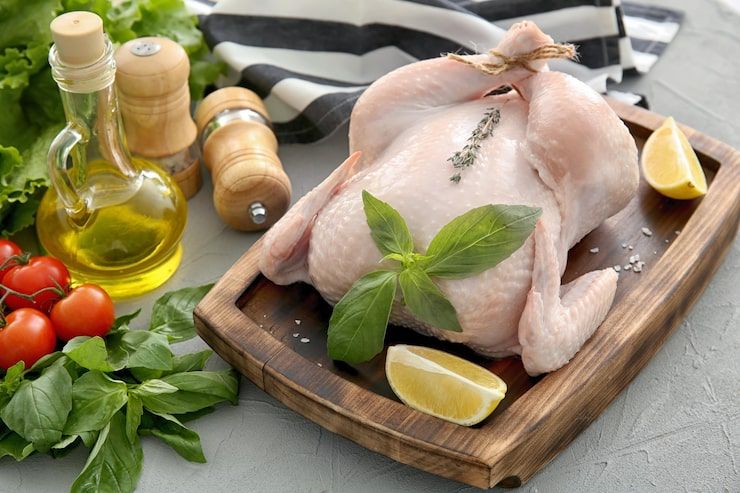
If you’ve ever wandered through a high-end supermarket in Bangkok or a local wet market in Chiang Mai, you’ve likely encountered a confusing array of labels. "Free-Range," "Gai Baan," "Organic," and "Antibiotic-Free" are often used interchangeably, but in the world of poultry, these terms represent very different realities. For someone focused on health and wellness, choosing between a mass-produced Chicken Breast and a pasture-raised one isn't just about taste, it's about understanding the entire ecosystem of food production in Thailand.
What Does “Free-Range” Actually Mean in the Thai Context?
In Thailand, the term "Free-Range" is regulated by the Department of Livestock Development (DLD), but there is a significant gap between the minimum legal requirement and the artisanal gold standard.
The Legal Minimum vs. Pasture-Raised Reality
Legally, a free-range chicken must have access to an outdoor area for at least part of the day. However, "access" can be a loose term. In industrial free-range setups, this might mean a small door that opens onto a patch of gravel or a bare dirt lot. In contrast, authentic free-range chicken—often referred to as pasture-raised—implies that the birds spend the majority of their daylight hours roaming on living grass, foraging for insects, and engaging in natural behaviors.
Why Thailand’s Climate Matters
In the tropical climate of Thailand, this outdoor access is vital. High humidity in crowded, closed-system barns leads to the buildup of ammonia and pathogens. This is the primary reason industrial farms are forced to use preventative antibiotics. When a bird is truly free to roam in a well-managed pasture, its natural immune system does the work. This ensures your organic chicken stays clean and chemical-free while thriving in its natural habitat.
The Anatomy of Quality: How It Differs from Regular Chicken
Why should you care about how a chicken lived? The answer lies in the biology of the bird. The difference is written in the fibers of the meat and the chemical composition of the fat.
1. Muscle Development and Texture
A factory chicken is bred for "explosive growth," reaching slaughter weight in about 40 days. They are effectively "infants" in giant bodies, with muscles that haven't fully formed. This is why cheap chicken often feels mushy, watery, or has that strange "woody" texture. Authentic free-range birds are slow-grown, often taking 80 to 120 days. This allows the connective tissues to develop properly, giving the meat a firm, satisfying "bite" and a deep, savory aroma that is impossible to replicate in a lab or a cage.
2. The Nutrient Profile and "The Yellow Fat"
Because these birds forage on a diverse diet of Thai herbs, insects, and organic grains, their fat composition changes. You’ll notice that the fat on a free-range bird is often vibrant yellow rather than translucent white. This color comes from beta-carotene and antioxidants found in fresh vegetation. Research consistently shows that free-range poultry has significantly higher levels of:
- Vitamin A & E: For immune support and skin health.
- Omega-3 Fatty Acids: Essential for heart health and reducing systemic inflammation.
3. Cleanliness and Safety from Residues
Industrial poultry in Southeast Asia has historically been linked to high antibiotic use to combat the stress of overcrowding. By choosing certified organic or genuine free-range, you are opting out of this cycle. This is particularly important for athletes and health enthusiasts who consume Chicken Breast as their primary protein source every single day.
Mastering the Labels: How to Avoid "Greenwashing"
Thailand has several certification bodies, and knowing which one to trust is key to ensuring you get the quality you’re paying for.
Organic Thailand (DLD)
This is the most stringent certification in the country. It doesn't just look at the cage; it covers the entire lifecycle. The feed must be 100% organic, synthetic chemicals are strictly prohibited, and animal welfare rules are non-negotiable. If you see this seal, you are holding the best of the best.
Certified Humane / Animal Welfare Approved
These are international standards often adopted by premium Thai farms (like those in Khao Yai or Chiang Rai). They focus heavily on the "psychology" of the bird—ensuring they have space to flap their wings, dust-bathe, and live a life free from the chronic stress of industrial farming.
NSF Antibiotic-Free
This is a technical certification. Important note: This doesn't necessarily mean the bird was free-range! It only guarantees that no antibiotics were used. If you want the "lifestyle" benefits too, you must look for "Free-Range" alongside this label.
Where to Buy: Navigating the Thai Market
Finding the real deal requires moving beyond the bargain bins and looking for transparency.
Premium Butchers and Artisanal Shops
In Bangkok, shops like Sloane’s or Paleo Robbie have become the gold standard. They vet their farmers personally, visiting the sites to ensure that the Chicken Wings or breasts they sell come from birds that lived a dignified life.
Specialty Supermarkets and Brands
Look for pioneer brands in the Thai pasture-raised movement:
- Sirin Farm: Known for their high-welfare practices in Chiang Rai.
- Klong Phai Poultry: A favorite among Michelin-star chefs in Thailand for their slow-grown, French-breed chickens raised in Khao Yai.
Local Farmers' Markets
Attending events like the Bangkok Farmers' Market allows you to meet the producers. A genuine farmer will be proud to tell you their "stocking density" (how much space each bird has) and what exactly goes into their feed mix.
At HappyLyfe.in.th
For those who want the convenience of home delivery without compromising on quality, HappyLyfe.in.th is your go-to destination. We understand that finding genuine organic chicken in Bangkok can be time-consuming.
That’s why HappyLyfe curates only the best sustainable and ethical poultry from trusted Thai farms. Whether you need clean Chicken Breast for meal prepping or premium Chicken Wings for a healthy family dinner, you can browse our selection with the confidence that every product meets high standards of animal welfare and chemical-free production.
The Culinary Edge: Cooking Free-Range Chicken
Cooking a free-range bird is different because you’re dealing with real muscle, not water-pumped protein.
Low and Slow is Key
Because the meat is leaner and firmer, high-heat flash frying can sometimes make it tough. Instead, try:
- Slow-Roasting: To let the connective tissues melt.
- Sous-vide: To keep that precious Chicken Breast juicy.
- Braising: Traditional Thai soups like Tom Yum Gai Baan take advantage of the firm texture that doesn't fall apart during long simmering.